


-

Add: HeBei ShengShi HongBang Cellulose Technology CO.,LTD.
-

Email
13180486930@163.com -

CONTACT US
+86 13180486930

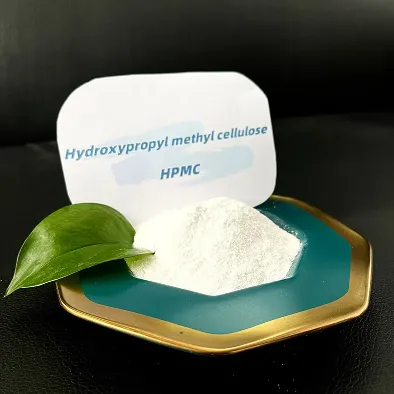


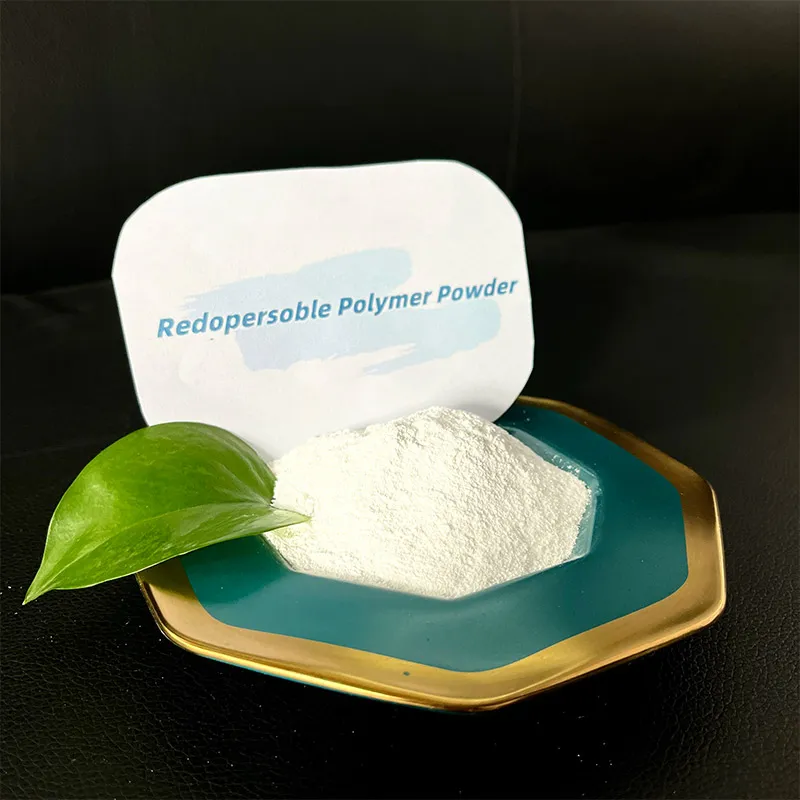
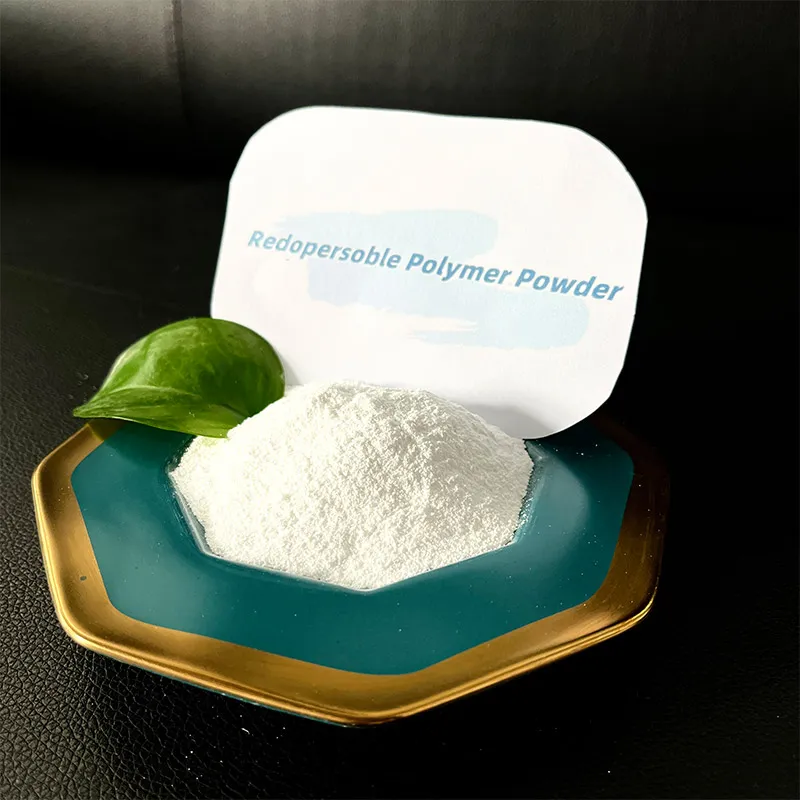
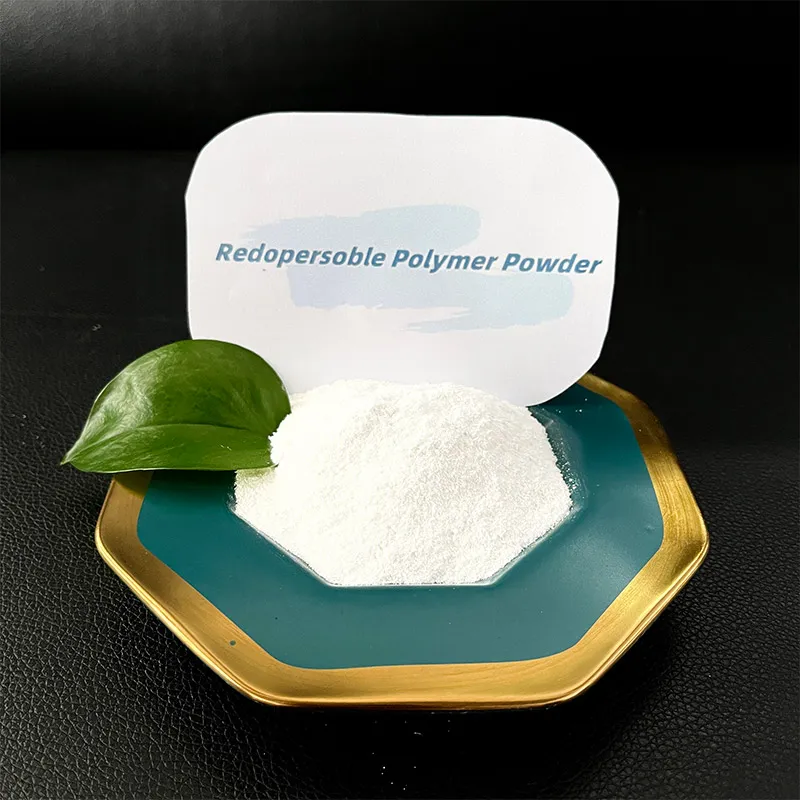
Polymer powder is a key ingredient in many industries, providing critical properties to products in construction, adhesives, coatings, and more. With its wide range of applications, polymer powder enhances the performance, durability, and flexibility of finished products. Available in various forms, polymer powder s can be tailored to meet the specific needs of different applications, making them a versatile choice for manufacturers worldwide. Whether you're working in construction, paints, or textiles, polymer powder offers the ideal solution for improving your products’ functionality. Explore Our Range of Colored Polymer Powder If you need vibrant, long-lasting colors in your products, colored polymer powder is the way to go. Whether you're producing construction materials, decorative coatings, or consumer goods, colored polymer powder offers an efficient way to introduce rich, stable colors into your products. Our premium colored polymer powder is designed to maintain its brightness and consistency, ensuring your products stand out. With a wide selection of shades, you can achieve the exact color you need while maintaining high quality and performance. The Benefits of Redispersible Polymer Powder Redispersible polymer powder is a game-changer in many industrial applications. Unlike traditional resins, redispersible polymer powder can be re-dispersed in water to create a solution, which offers greater convenience and efficiency for various processes. Widely used in adhesives, tile grout, and plaster, redispersible polymer powder enhances bonding strength, flexibility, and durability. This type of polymer powder is particularly valued in the construction and building materials sectors, providing superior performance while reducing transportation and storage costs. Discover the many benefits of using redispersible polymer powder in your formulations today. What Influences Polymer Powder Price? When considering polymer powder price , it’s important to understand the factors that affect the cost. The polymer powder price can vary depending on the type of polymer used, the quantity purchased, and the specific application for which the powder is intended. High-performance polymer powder may be priced higher due to its specialized formulations, while larger orders typically reduce the cost per unit. Additionally, polymer powder price can also depend on the presence of additives, colorants, and whether the polymer powder is customized for particular applications. To ensure you're getting the best value for your needs, always consider both the performance and the cost-effectiveness of the polymer powder price . Why Choose Our Polymer Powders for Your Business? Our polymer powder products are crafted with the highest standards of quality and performance, ensuring that your manufacturing processes run smoothly. From colored polymer powder to redispersible polymer powder , we offer a comprehensive selection that suits a wide variety of industries. Our polymer powder solutions are designed to enhance the quality of your final products, increase production efficiency, and offer cost-effective solutions for your business. With competitive polymer powder price s, we guarantee the best value for your investment. Whether you need a specialized formula or a standard polymer powder , our products are the perfect addition to your production line. Polymer Powders FAQs What is polymer powder? Polymer powder is a fine, dry material made from polymers, typically used in various industrial applications to improve the properties of products like adhesives, coatings, and construction materials. It is valued for its ability to enhance flexibility, strength, and durability in the final product. Polymer powder can come in different types, such as colored polymer powder or redispersible polymer powder , each serving specific functions depending on the industry. What is colored polymer powder used for? Colored polymer powder is primarily used to add vibrant colors to products such as construction materials, coatings, and consumer goods. The color pigments are stable and long-lasting, ensuring that the final product maintains its color over time, even under challenging conditions. It’s ideal for applications where both color and performance are important, making it perfect for industries like construction, automotive, and packaging. What is redispersible polymer powder and how is it used? Redispersible polymer powder is a special type of polymer powder that can be re-dispersed in water, forming a solution that can be easily applied in a variety of industrial processes. It’s commonly used in adhesives, tile grouts, and plaster, where it improves bonding strength, flexibility, and water resistance. The ability to re-dispense the polymer powder in water makes it a more convenient and cost-effective solution for many manufacturing processes. How does the polymer powder price vary? The polymer powder price depends on several factors, including the type of polymer used, the quantity purchased, and whether any special additives or colors are involved. Specialty redispersible polymer powder sand colored polymer powder s often come at a higher price due to their advanced formulations. Additionally, larger volume purchases can reduce the polymer powder price per unit, offering better cost-effectiveness for bulk orders. Why should I choose your polymer powders? Our polymer powder sare craftedto meet the highest standards of quality, ensuring that your products perform at their best. We offer a wide selection of colored polymer powder s and redispersible polymer powder s, all designed to enhance the durability, flexibility, and performance of your products. Our polymer powder price is competitive, offering you the best value for your investment. Whether you’re in construction, coatings, or any other industry, we have the perfect polymer powder solution for you.
- 40000tons

Production
- 20+years

Experience
- 5000+㎡

Acreage

-
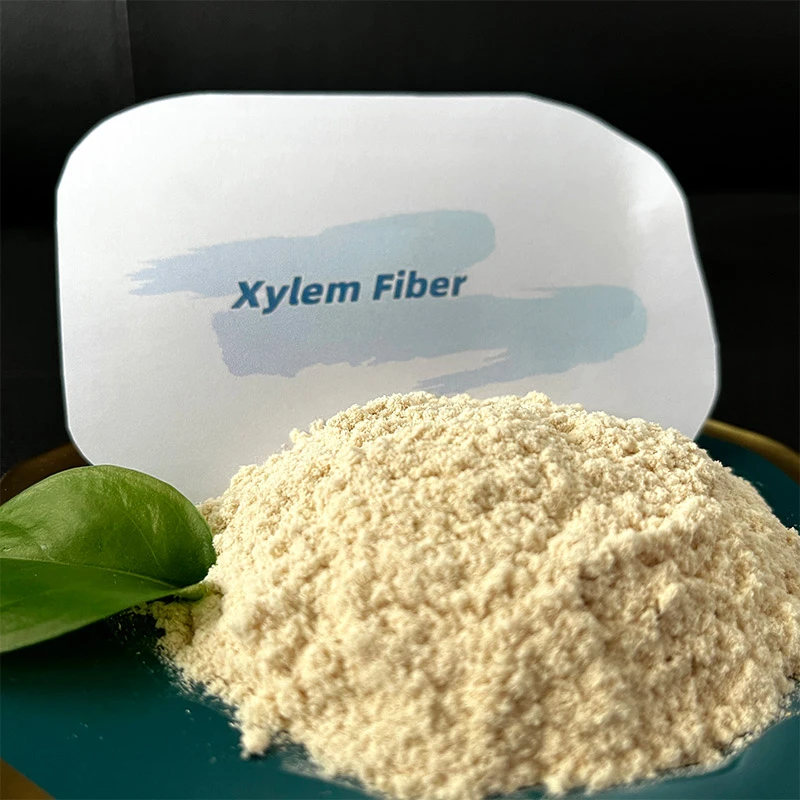
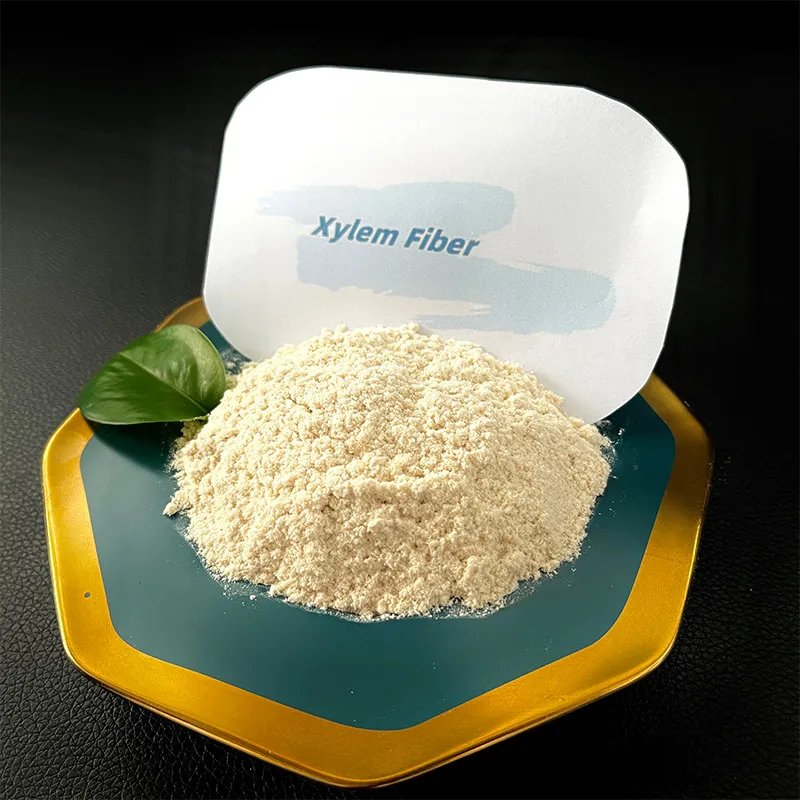
The Emergence of Wood Pulp Fiber A Sustainable Alternative In recent years, the pursuit of sustainable materials has gained significant momentum, leading to innovative solutions in various industries, from textiles to construction. One such innovation is wood pulp fiber, a versatile material derived from the decomposition of wood into its fibrous components. As societies become increasingly aware of the environmental impacts of conventional materials, wood pulp fiber stands out as an eco-friendly alternative that offers numerous benefits. Understanding Wood Pulp Fiber Wood pulp fiber is primarily extracted through the pulping process, where wood logs are processed to separate cellulose fibers from lignin and hemicellulose. This process creates a raw material that can be transformed into a range of products, including paper, textiles, and biodegradable plastics. The most common types of wood used for pulp are softwoods such as pine and fir, which are favored for their long cellulose fibers that contribute to strength and flexibility. Environmental Benefits One of the most compelling advantages of wood pulp fiber is its sustainability. As it originates from trees, a renewable resource, the lifecycle of wood pulp products can be much shorter compared to synthetic fibers like polyester, which are derived from petroleum. Furthermore, responsibly sourced wood pulp contributes to forest health by promoting sustainable forestry practices that ensure trees are replanted, preserving biodiversity, and maintaining carbon sequestration. The Emergence of Wood Pulp Fiber A Sustainable Alternative Versatility Across Industries fibra hecha de pulpa de madera The versatility of wood pulp fiber makes it an attractive alternative for various applications. In the textile industry, wood pulp can be converted into lyocell or modal fabrics, which are not only soft and breathable but also produced in a closed-loop process that significantly reduces water pollution compared to conventional cotton production. These fabrics are gaining popularity in fashion due to their comfort, environmental credentials, and stylish finish. In the packaging sector, wood pulp fiber is paving the way for biodegradable packaging solutions. As consumers demand more sustainable packaging options, wood pulp provides a solution that can help reduce the environmental footprint of e-commerce, food delivery, and retail packaging. Challenges and Future Outlook Despite its numerous advantages, the adoption of wood pulp fiber is not without challenges. The availability of sustainably sourced wood can sometimes limit production, and the technology for processing wood into fiber continues to evolve. However, as awareness and demand for sustainable materials rise, investment in research and development is likely to accelerate, opening new avenues for efficient production methods and innovative uses for wood pulp fiber. Moreover, as regulatory frameworks continue to support sustainable practices and combat climate change, wood pulp fiber stands on the brink of becoming a mainstream material in various industries. Companies are recognizing the importance of aligning their supply chains with sustainability goals, making wood pulp fiber an attractive option that meets consumer demand for eco-friendly products. Conclusion Wood pulp fiber represents a promising shift towards sustainability, offering an environmentally friendly alternative to traditional materials across diverse industries. Its biodegradable nature, coupled with the potential for sustainable production, positions it as a key player in the movement towards a greener future. As both consumers and manufacturers increasingly prioritize sustainability, wood pulp fiber could very well become a staple in our daily lives, supporting a healthier planet for generations to come.
-
In the rapidly advancing world of materials science, chemical material rubber powder emerges as a remarkable innovation with diverse applications and unmatched benefits. Through extensive research and development, manufacturers have unlocked the potential of rubber powder, a product derived from recycled rubber materials, primarily tire rubber. This sustainable solution not only contributes to environmental conservation but also enhances the performance and usability of various industrial products. One of the most compelling applications of chemical material rubber powder is in the realm of construction. When incorporated into asphalt, rubber powder enhances the durability and elasticity of road surfaces. This results in a significant reduction in maintenance costs and an extended lifespan for infrastructure. The elasticity imparted by rubber powder allows roads to better withstand heavy traffic loads and extreme weather conditions, making it an optimal choice for regions experiencing harsh climates. In the field of consumer goods, rubber powder is ingeniously utilized in the manufacturing of sports equipment and footwear. By integrating rubber powder into these products, manufacturers can achieve superior grip, shock absorption, and flexibility. This not only elevates the performance standard of such products but also caters to the ever-growing demand for high-quality, durable consumer goods. The insulation industry also reaps the benefits of chemical material rubber powder . Used as an additive in insulation materials, rubber powder enhances thermal and acoustic properties, leading to more energy-efficient and quieter living spaces. This advancement is particularly salient in urban settings where noise pollution and energy consumption are significant concerns. Experience in utilizing rubber powder at an industrial level underscores its transformative impact. Companies report substantial improvements in product efficiency and longevity, attributing these successes to the unique properties of rubber powder. For instance, its high elasticity and resistance to wear contribute to reducing production costs by minimizing the frequency of equipment maintenance and replacement. Moreover, the integration of recycled materials epitomizes a commitment to sustainability, aligning with corporate social responsibility goals and resonating with environmentally conscious consumers. chemical material rubber powder From a technical standpoint, the expertise involved in processing and utilizing rubber powder is profound. Specialists describe the meticulous process of transforming discarded rubber products into fine powder, highlighting advanced grinding techniques and proprietary formulations that ensure consistency and quality. These procedures require a blend of engineering expertise and innovative approaches to maximize the material's potential while maintaining ecological balance. Authoritativeness in the field of chemical material rubber powder is solidified by peer-reviewed studies and comprehensive industry reports that validate its efficacy and safety. Researchers have conducted a myriad of tests to understand the long-term effects and performance benefits of rubber powder across various applications. Such scholarly work provides a robust framework for industries to confidently adopt and innovate using this material. Trustworthiness is a cornerstone of the burgeoning rubber powder industry. Reliability is fortified through a track record of successful implementations, positive client testimonials, and endorsements from industry leaders. Companies that champion the use of rubber powder often share case studies and real-world results, fostering trust and encouraging broader adoption. In conclusion, chemical material rubber powder represents a confluence of innovation, expertise, and sustainability. Its multifaceted applications and proven benefits position it as a transformative element in modern industry. As industries across the globe continue to explore its myriad advantages, rubber powder is set to redefine the benchmarks of durability, efficiency, and environmental stewardship in a multitude of sectors.
advantages
-

200000 Viscosities
Excellent product
We can produce pure products up to 200,000 viscosities
-

40000 tons
High yield
We don’t stop production all year round, and the annual output can reach 40,000 tons
-

24 hours
Quality service
We provide 24-hours online reception service, welcome to consult at any time
———— Inquiry Form
Schedule A services

-
 hpmc_2910_vs_2208
Oct . 25, 2025
Navigating the complex world of nbr rubber powder reveals its immense benefits and transformative pr -
 wauzaji_wa_nyuzi_za_polypropen
Oct . 25, 2025
Gentamicin with Hydroxypropyl Methylcellulose (HPMC) Eye/Ear Drops A Comprehensive Insight Gentamici -
 methylcellulose_price
Oct . 25, 2025
Fiberglass reinforced polypropylene (FRPP) is revolutionizing industries due to its synergistic blen


